



Deutsche Bank’s Hong Kong wealth boom fed by Chinese flows
Deutsche Bank AG said Chinese inflows to Hong Kong are helping the Asian wealth hub top its private bank’s growth for emerging markets this year, underscoring the strength of the city that recently overtook Switzerland as the world’s largest offshore centre.
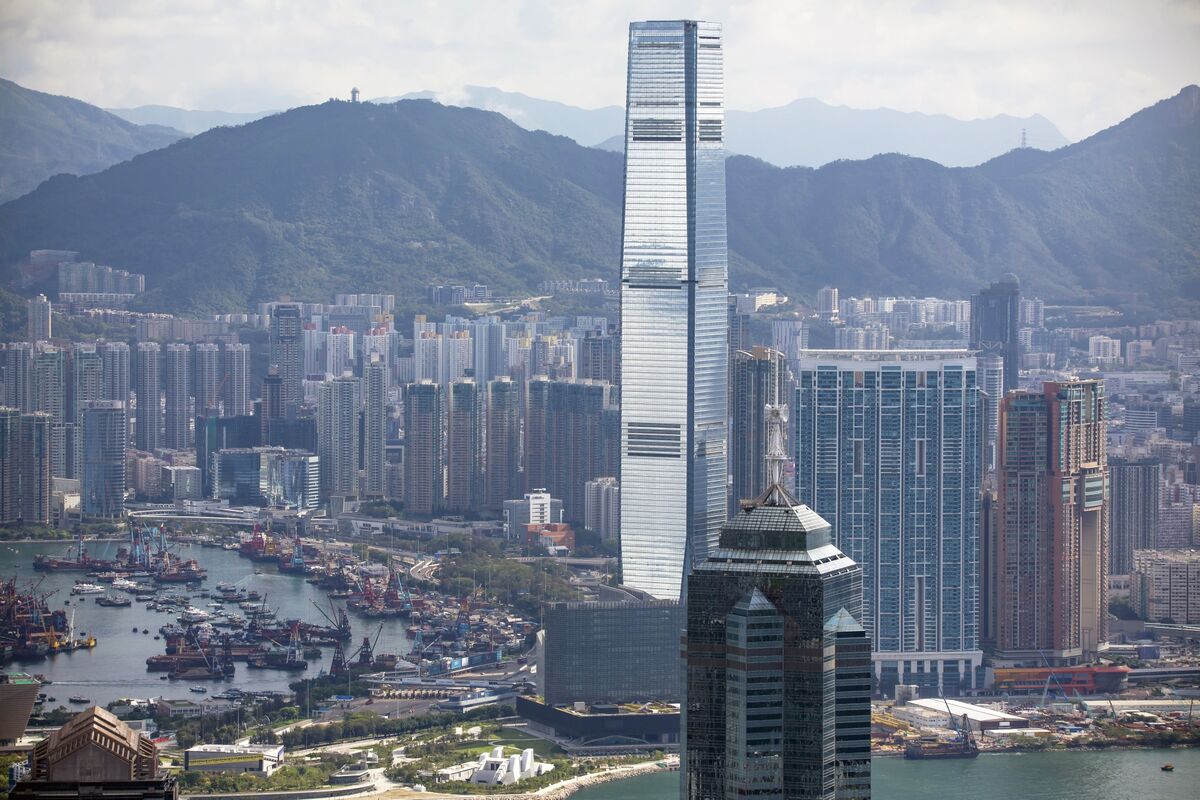
“It’s been probably the best performing region,” said Marco Pagliara, head of emerging markets at Deutsche Bank Private Bank. “You’ve seen a fair amount of action, especially around trophy real estate in Hong Kong. Typically, there is a Chinese flavour to that,” the Singapore-based executive said.
The comments highlight Hong Kong’s rising significance as an offshore hub for Chinese fund flows despite concerns that Beijing’s stricter tax scrutiny around fund outflows from the mainland would impact business for banks.
Hong Kong is also courting asset managers by proposing a tax regime change that will exempt private equity and potentially hedge fund managers from paying tax on their earnings from carried interest and performance fees.
In every aspect from trading activity, opportunities to lend against physical assets and real estate, as well as investment, the city has been quite “strong,” Pagliara said.
The executive, whose remit spans Greater China, Southeast Asia, Global South Asia, the Middle East, and Latin America, said Deutsche Bank has hired more than 30 private bankers across emerging markets teams so far this year. Headcount is still growing on a net basis, he added. The bank doesn’t provide a regional breakdown for its assets under management (AUM) or headcount.
The German lender aims to boost its wealth AUM to top €1 trillion by 2028. The latest number is €846 billion, including the retail bank, as of the end of June.
Southeast Asia, where Singapore is a booking centre, is expanding and trailing very closely just behind Greater China for the year, Pagliara said. Singapore and Indonesia are the private bank’s largest centres in the region based on revenue and assets, he added.
“Traditionally in Indonesia, when you see these challenges economically and politically, I think you see some large families adjusting their positions,” Pagliara said, referring to the volatility that have been rocking the market. The bank provides corporate and investment banking services in Indonesia, the region’s largest economy. Deutsche Bank is also trying to develop a larger presence among offshore clients from Malaysia and Thailand, he said.
In the Middle East, where the war in Iran continues, the lender is among several firms growing its wealth business. It is present in Dubai and has an onshore booking platform in Saudi Arabia, where Pagliara said he sees an opportunity to increase the footprint.
Deutsche Bank remains positive in the medium- to long- term on the region, even as he acknowledged “the current situation has additional complexity,” Pagliara said in response to a question on the bank’s commitment to the Middle East.
Separately, the bank has started using agentic artificial intelligence (AI) in checking wealthy clients’ source of wealth in Singapore and Hong Kong from this month and will later use this across the entire private bank. Its advisers in Dubai are also adopting this for accounts booked in Singapore.
The Monetary Authority of Singapore, the financial regulator, is working with banks in the city-state to shorten account opening time for the rich to within one month, from a current median of about six weeks or longer in complex cases. Deutsche Bank in Singapore is “already at that mark or a little below” that, Pagliara said.
Usage of agentic AI is expected to support an increase in client onboarding volumes. Pagliara’s emerging markets coverage region is on track to onboard about 30% more clients this year, from a year ago, the bank said.
