



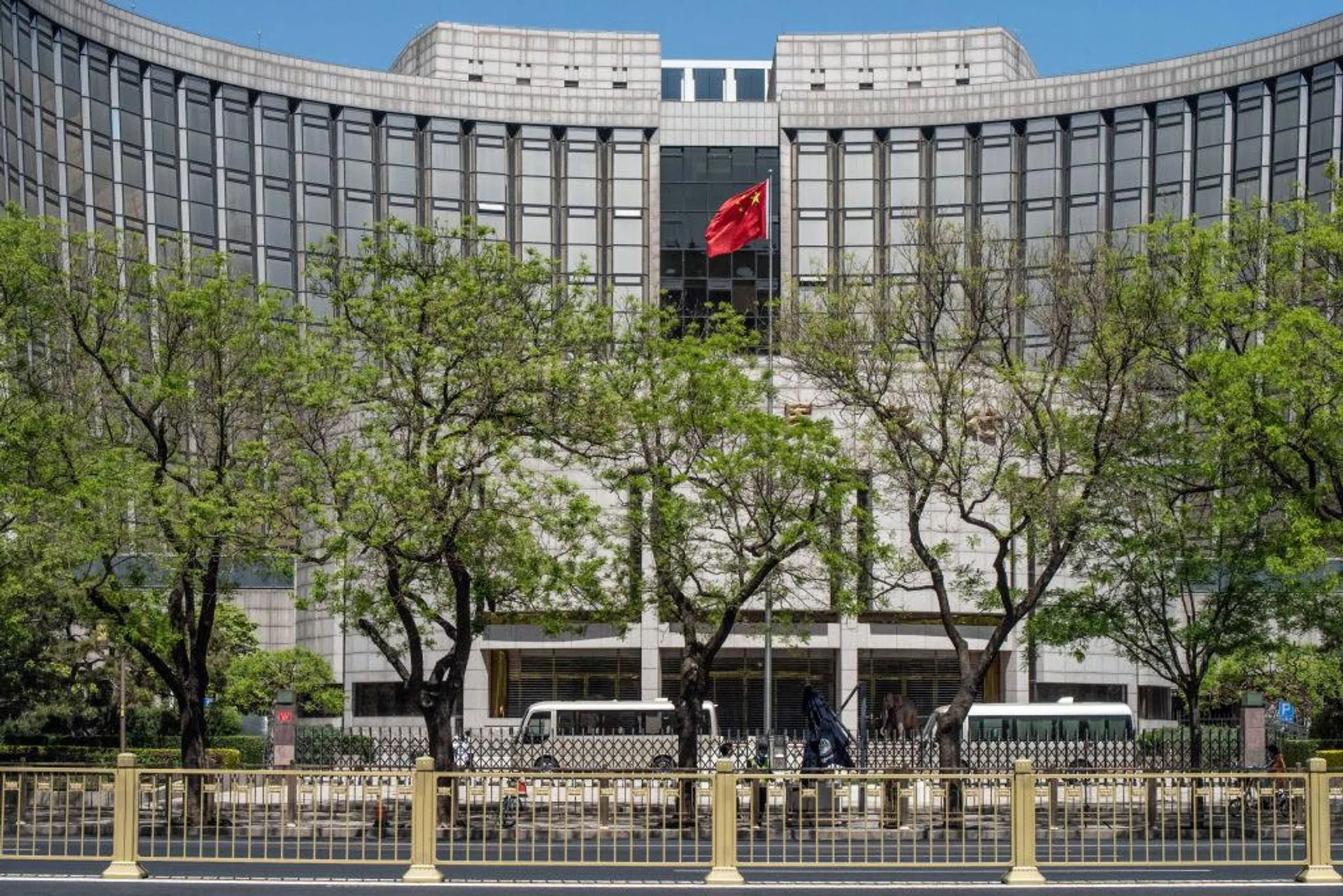
China’s central bank cuts structural interest rates to boost targeted lending
The moves signal targeted adjustments to bolster an economy hit by weak demand and imbalances.
China’s central bank signalled it has room to further reduce interest rates and bank reserve requirements, while stepping up targeted support for the economy with a cut to the cost of its structural lending tools.
Deputy governor Zou Lan said on Thursday (Jan 15) that the People’s Bank of China (PBOC) sees “some space” to reduce both the reserve requirement ratio and policy rates this year. The central bank will lower the interest rates on its structural monetary policy tools by 0.25 percentage points, reducing the one-year rate for various relending facilities to 1.25 per cent from 1.5 per cent effective on Monday.
The moves signal a commitment to use mostly targeted adjustments to bolster an economy hampered by weak demand and deep-seated imbalances. The PBOC delivered just one 10-basis-point reduction to the policy interest rate in 2025 – far less than the 40 to 60 basis points of easing many had expected.
“This round of easing measures from the PBOC looks more focused on weak spots in the economy, and the steps may effectively help banks lower their liability costs,” said Zhaopeng Xing, senior strategist at Australia & New Zealand Banking Group.
Financial markets showed little enthusiasm for the targeted measures. Hong Kong stocks were largely unchanged following the announcement, and the yuan remained steady after initial fluctuations. In the fixed-income market, the 10-year government bond yield dropped one basis point before reversing most of those gains.
“One interpretation may even be that the likelihood of a near-term policy rate cut has become lower now, although the vice governor said there is room for interest rate and RRR cuts this year,” she said.
Zou said that banks’ net interest margins – which have narrowed in recent years and added to concerns over the health of lenders – are showing signs of stabilising. That creates space for reducing the policy interest rate, he said, without specifying a timeframe.
Addressing recent currency volatility, Zou said that China has “no need” to depreciate the yuan to gain a global competitive edge. He described the yuan’s recent appreciation as a reflection of a weakening greenback and easing geopolitical tensions between the US and China, rather than a shift in fundamental policy.
